

Bhutan
Overview
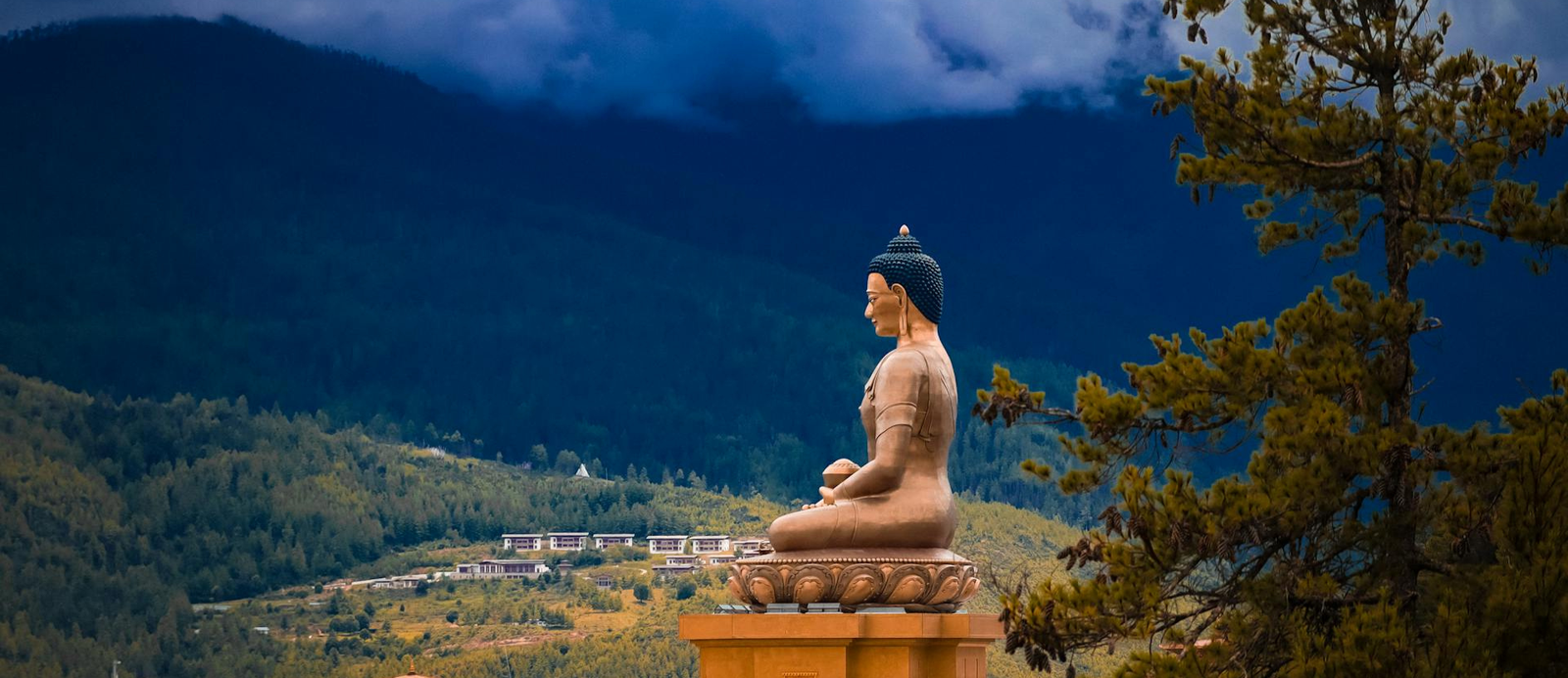
Nestled in the serene folds of the Eastern Himalayas, Bhutan is a land of breathtaking landscapes, ancient monasteries, and deeply rooted spiritual traditions. For centuries, this peaceful kingdom remained in self-imposed isolation, allowing its people to preserve a unique cultural identity shaped by Mahayana Buddhism. With a population of around 700,000, Bhutan is one of the world’s few nations that prioritizes happiness and environmental conservation over rapid modernization.
Never colonized by foreign powers, Bhutan developed independently, guided by religious values that promote respect for all living beings. This belief has helped protect its pristine forests, wildlife, and traditional way of life. Today, Bhutan beautifully blends ancient heritage with modern governance, offering travelers a rare glimpse into a culture that values harmony, spirituality, and nature.
Paro – Gateway to Bhutan’s Spiritual Heritage
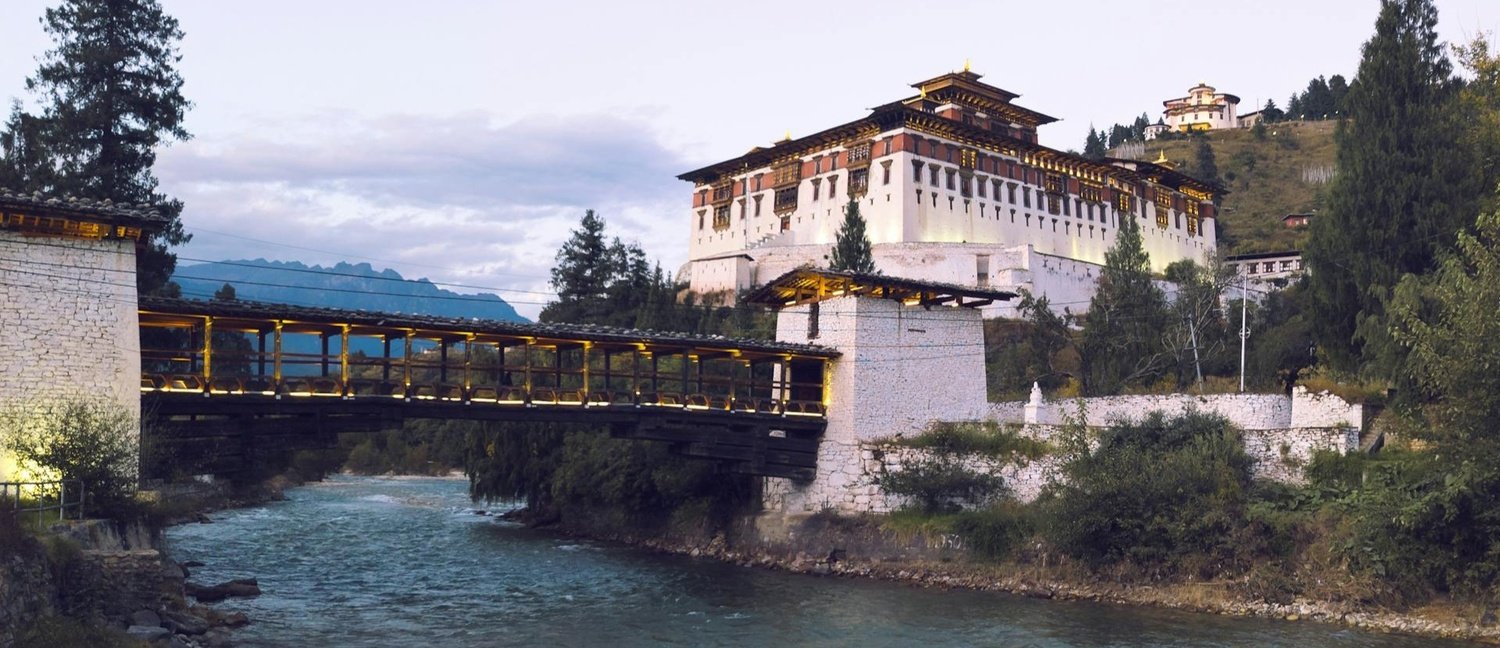
Paro is one of Bhutan’s most scenic valleys and the main entry point for international travelers. Surrounded by snow-capped mountains and lush rice fields, Paro is home to some of the country’s oldest and most sacred temples. It is here that Guru Padmasambhava introduced Buddhism in the 8th century, laying the spiritual foundation of Bhutan. The valley reflects the nation’s deep devotion through its monasteries, traditional homes, and peaceful rural lifestyle.
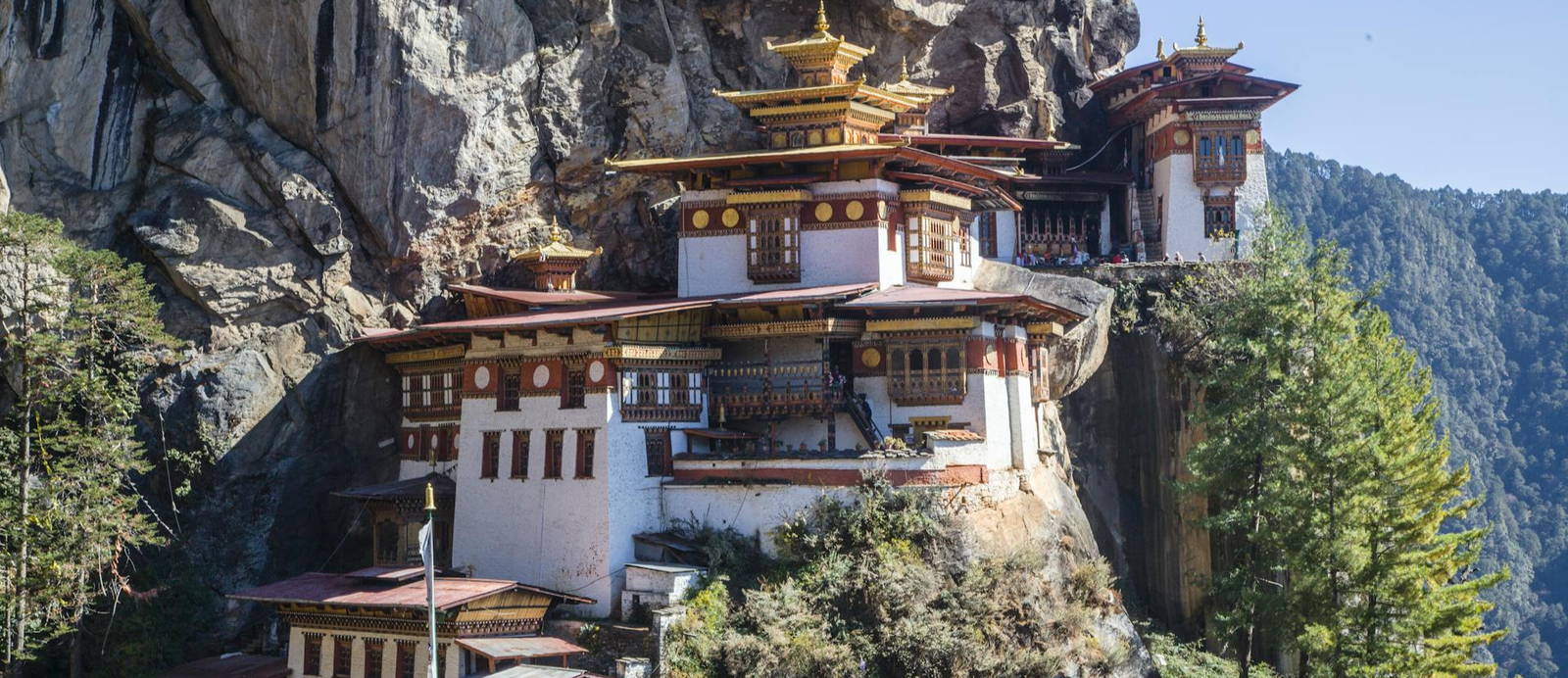
Tiger’s Nest Monastery (Taktshang) – Bhutan’s Iconic Sacred Site
Perched dramatically on a cliff nearly 3,000 feet above the Paro Valley, the Tiger’s Nest Monastery is Bhutan’s most famous landmark. According to legend, Guru Rinpoche flew to this spot on a tigress and meditated in a cave, making it one of the holiest places in the country. The hike to the monastery offers stunning mountain views and is considered a spiritual journey by locals and visitors alike.
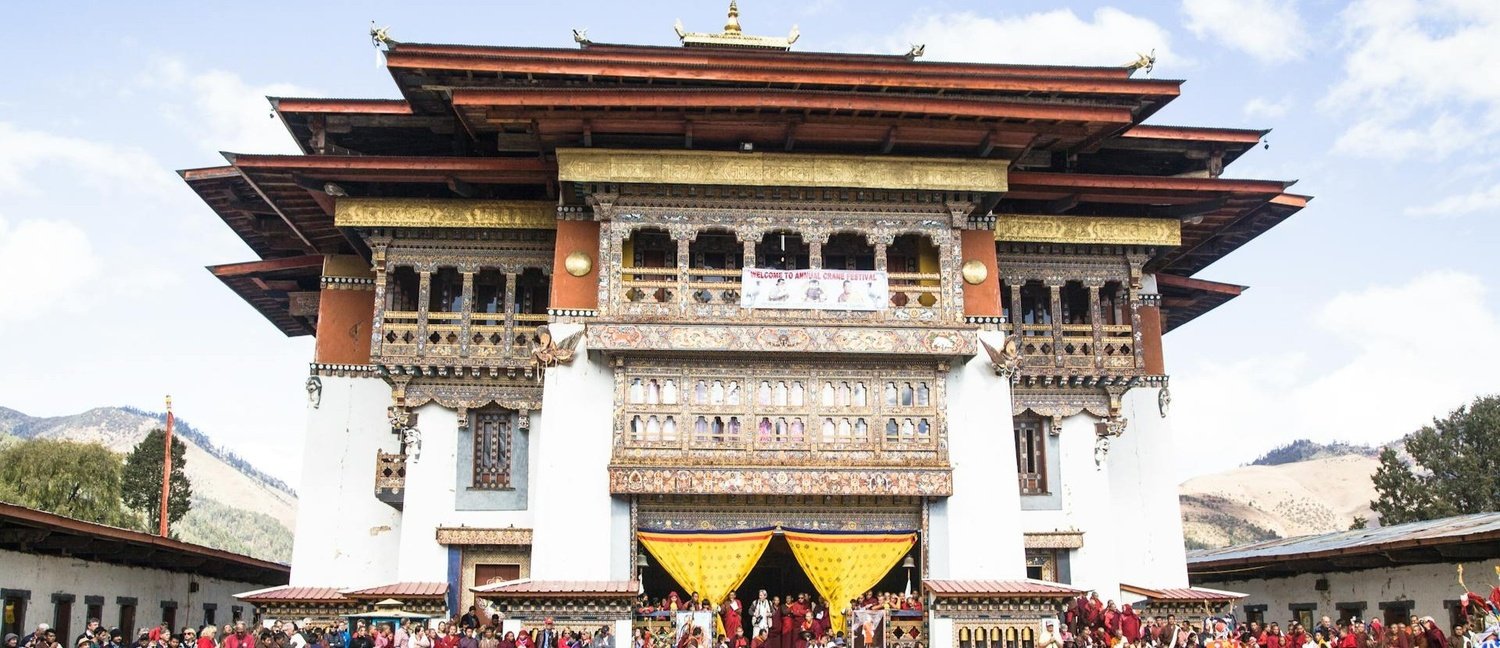
Punakha – The Ancient Capital of Bhutan
Punakha served as Bhutan’s capital in the 17th century and played a vital role in shaping the nation’s history. Located at the confluence of two rivers, the Punakha Dzong stands as one of the most beautiful fortress-monasteries in the country. It was here that Zhabdrung Ngawang Namgyal unified Bhutan and established its system of governance. Even today, important royal ceremonies and religious festivals take place in Punakha.
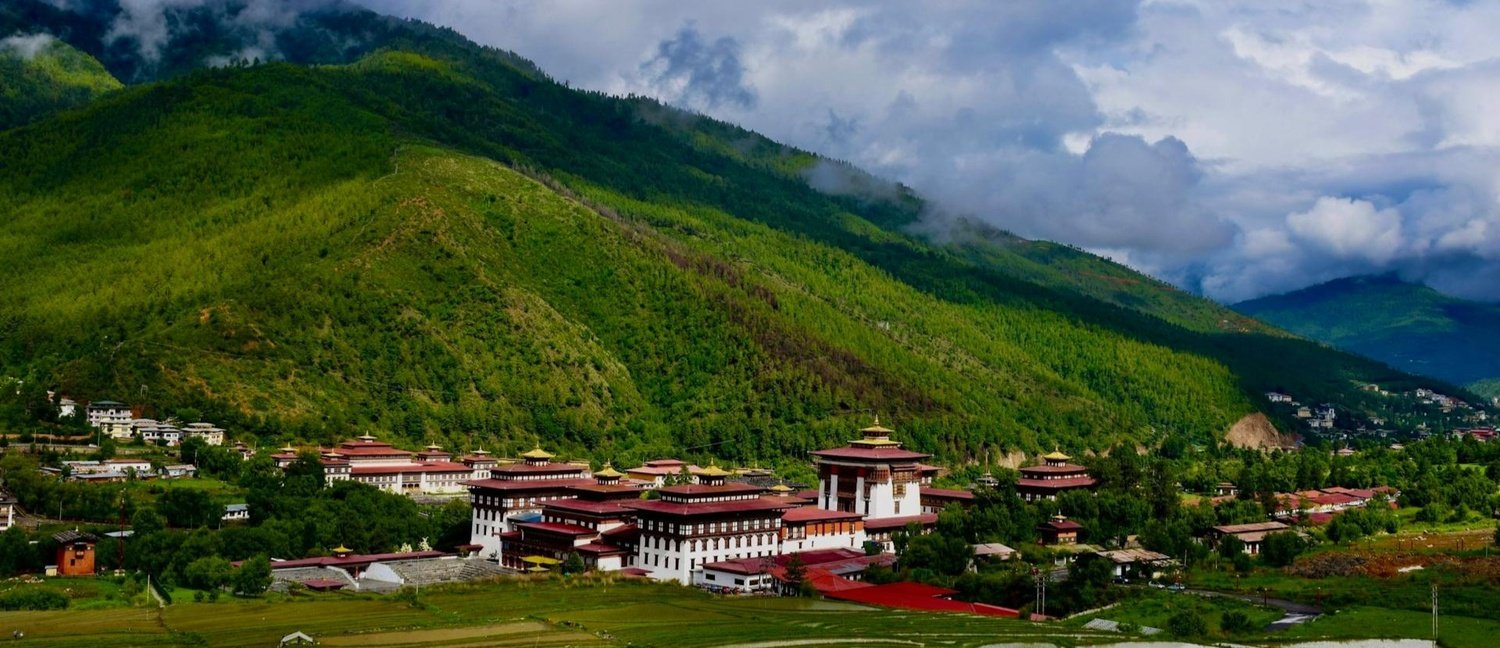
Thimphu – The Modern Capital City
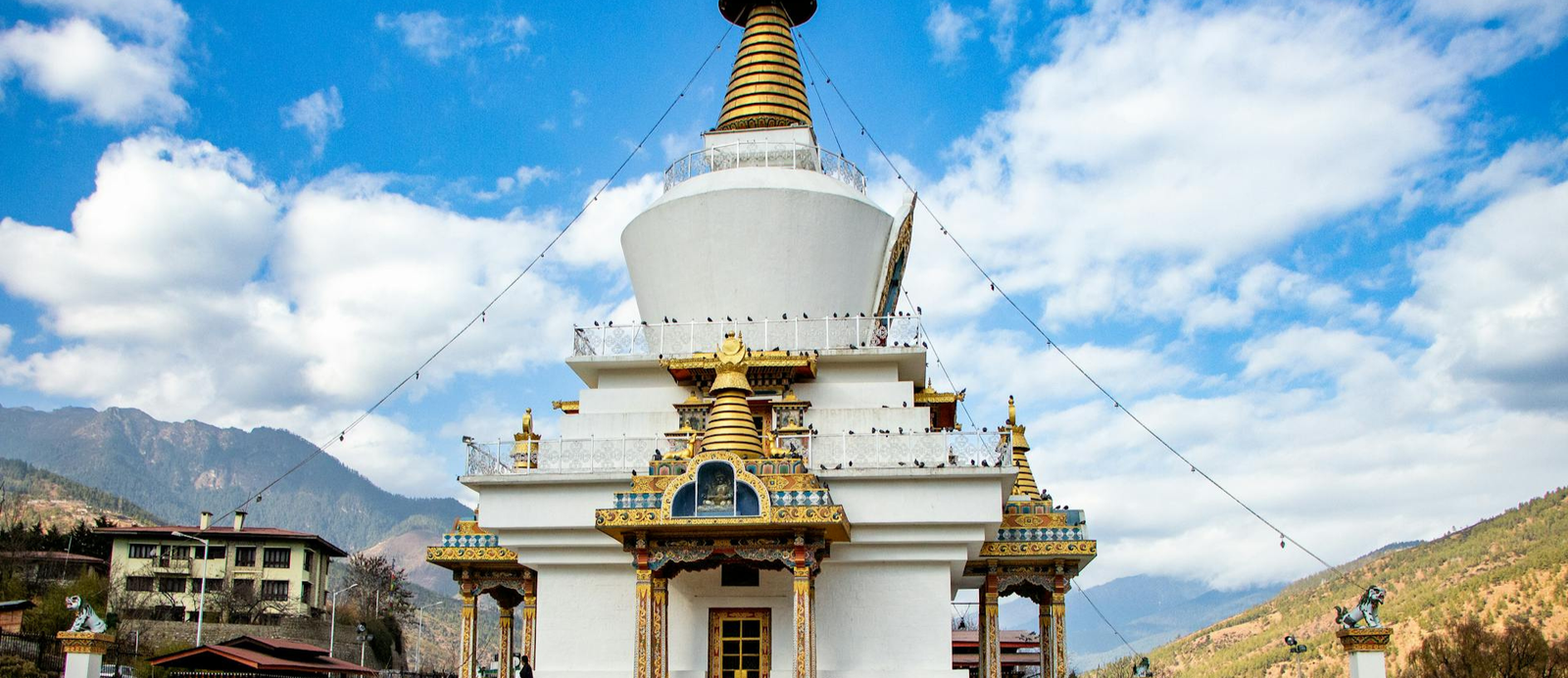
Thimphu is Bhutan’s current capital and its cultural, political, and economic center. Unlike other capitals, it has no traffic lights, preserving its traditional charm. Thimphu blends ancient monasteries with modern institutions, offering visitors a glimpse into Bhutan’s evolving lifestyle. Key attractions include royal buildings, museums, markets, and majestic dzongs that showcase Bhutanese architecture and traditions.
Trongsa – The Royal Heart of Bhutan
Situated in central Bhutan, Trongsa is historically significant as the birthplace of the Wangchuck royal dynasty. The massive Trongsa Dzong once controlled trade routes between eastern and western Bhutan, making it a powerful political center. The town offers spectacular mountain views and rich royal history, making it an essential stop for understanding Bhutan’s monarchy and national identity.
Eastern Himalayan Landscapes – Nature at Its Purest
Bhutan’s forests, valleys, and wildlife reserves cover over 70% of the country, making it one of the most environmentally preserved nations in the world. These regions are home to rare animals, alpine flowers, rivers, and untouched villages. Guided by Buddhist respect for nature, Bhutan strictly protects its ecosystem, offering travelers pristine scenery and peaceful retreats.
Got Questions About Your Trip?
Why is Bhutan known as the Land of Happiness?
Bhutan follows the philosophy of Gross National Happiness, focusing on well-being, cultural preservation, environmental protection, and good governance rather than only economic growth.
Is Bhutan suitable for family and spiritual travel?
Yes, Bhutan is ideal for families, nature lovers, and spiritual seekers due to its peaceful environment, safety, and cultural richness.
hat is the best time to visit Bhutan?
The best months are March to May (spring) and September to November (autumn) when the weather is pleasant and festivals take place.
Do tourists need a visa to visit Bhutan?
Yes, all international travelers require a Bhutan visa, which is usually arranged through registered tour operators.
What makes Bhutan different from other Himalayan destinations?
Bhutan remains culturally preserved, environmentally protected, uncrowded, and deeply spiritual, offering an authentic and peaceful travel experience unlike mass tourism destinations.